
ENERGY
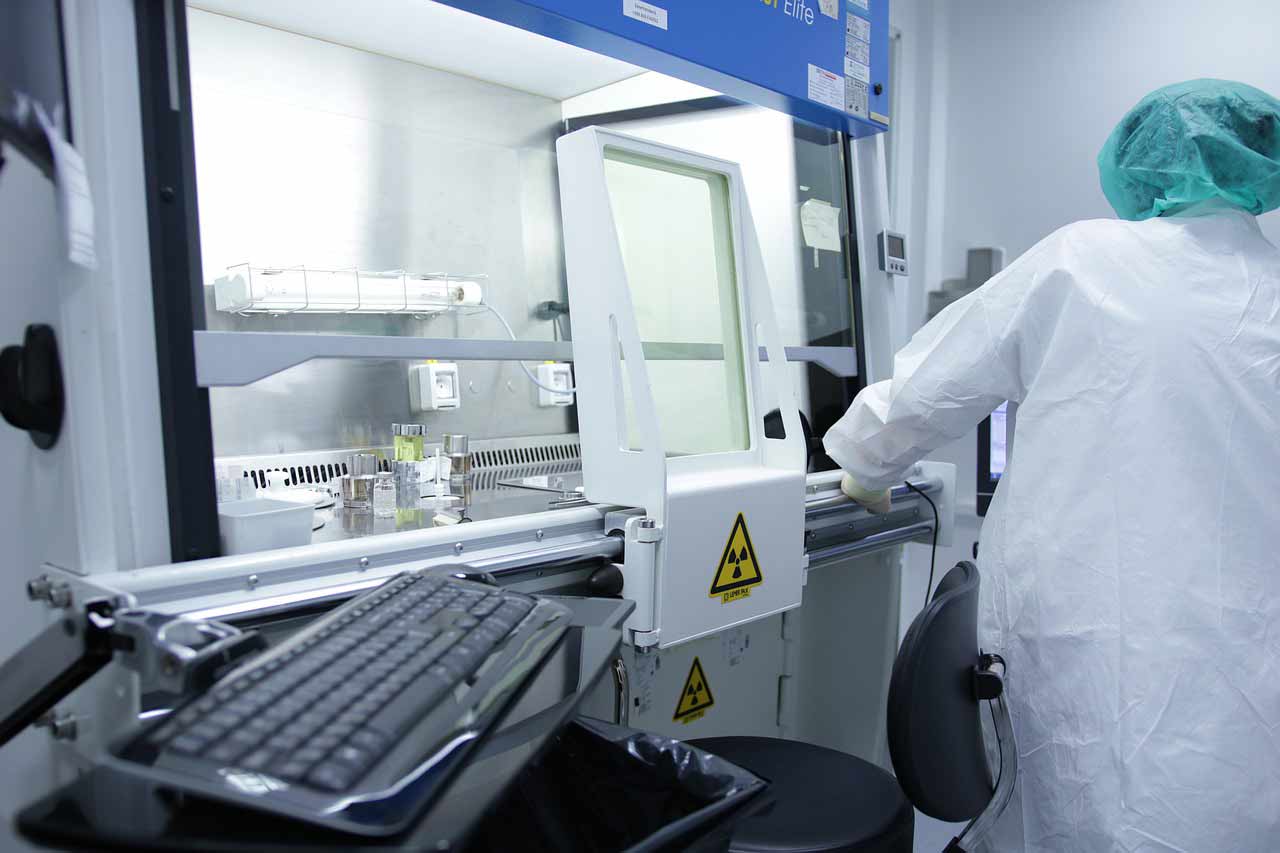
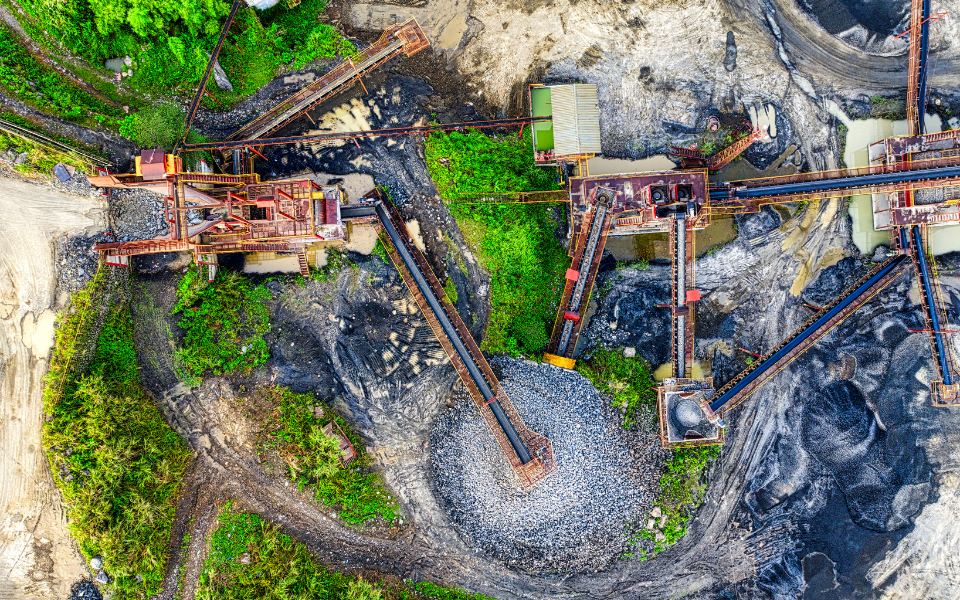
Zimbabwe holds large coal reserves and production is set to increase, the country is privileged to possess substantial reserves of coal, ranking among the world’s largest. Zimbabwe’s energy sector presents real opportunities for investment to service strong domestic demand. Total installed capacity for generation of electricity from all sources is 2,600 MW, of which around 70% is currently thermal generation. However, on average actual generation is around 1,500 MW each year..

TOURISM
Zimbabwe serves as a central point for connecting with the entire SADC region, being the home of some of the world’s most incredible natural wonders and wildlife which thousands of tourists visit each year. Zimbabwe is home to an enchanting world of investment opportunities in a vibrant tourism sector. Zimbabwe is renowned for captivating experiences built on the country´s natural wonders, cultural richness, and unmatched hospitality.
MINING FACTS
Why Invest In Zimbabwe's Mining Sector?
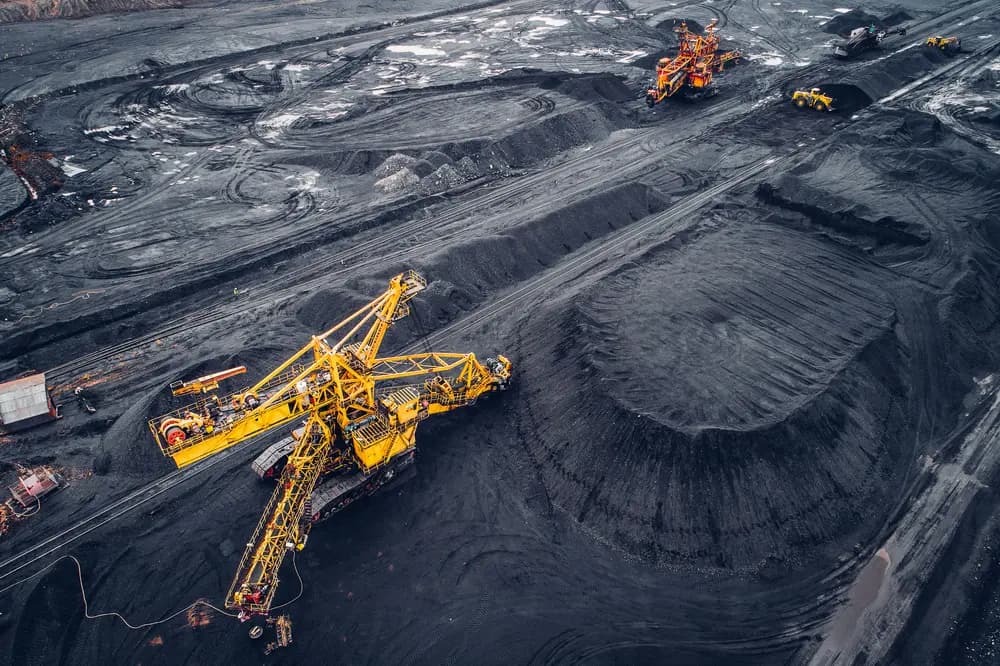
Zimbabwe’s mining sector is highly diversified, with close to 40 different minerals. The predominant minerals include platinum group metals (PGM), chrome, gold, coal, and diamonds. The country boasts the second-largest platinum deposit and high-grade chromium ores in the world, with approximately 2.8 billion tons of PGM and 10 billion tons of chromium ore. The sector accounts for about 12 percent of the country’s gross domestic product (GDP), and the minister of mines claims the sector has the potential to generate US$12 billion annually by 2023 if the government addresses challenges such as persistent power shortages, foreign currency shortages, and policy uncertainties
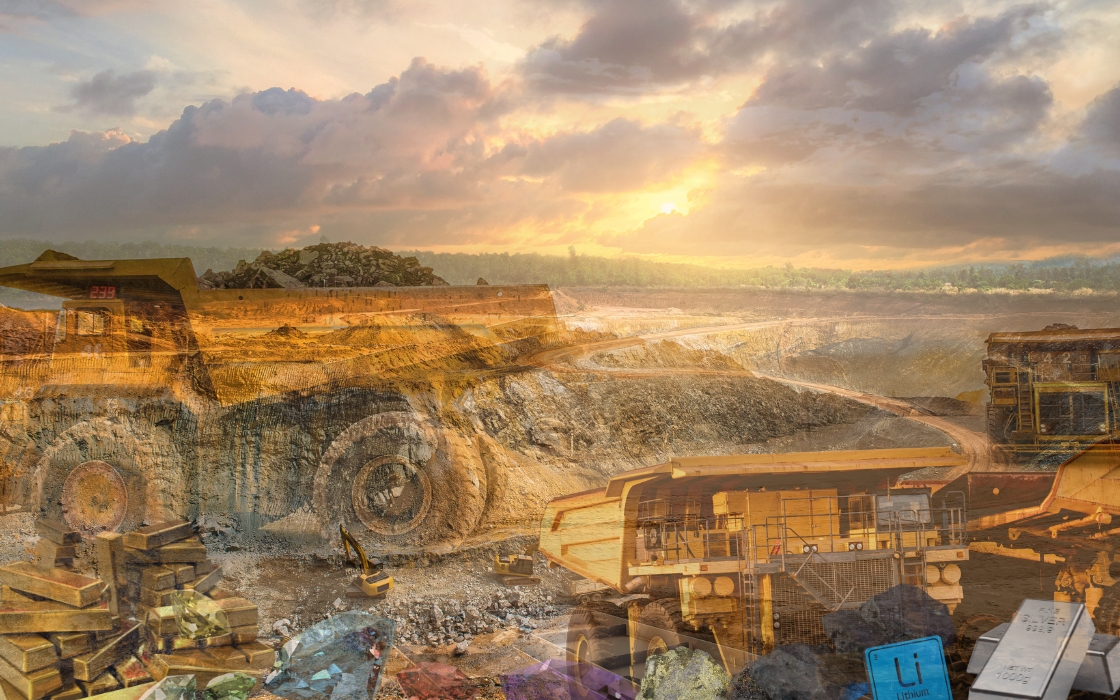
Zimbabwe’s top minerals include gold, platinum group metals (PGM), chrome, coal, diamonds, and lithium.
Download The Files Below To learn More:

INVEST IN ZIM
agricultural sector
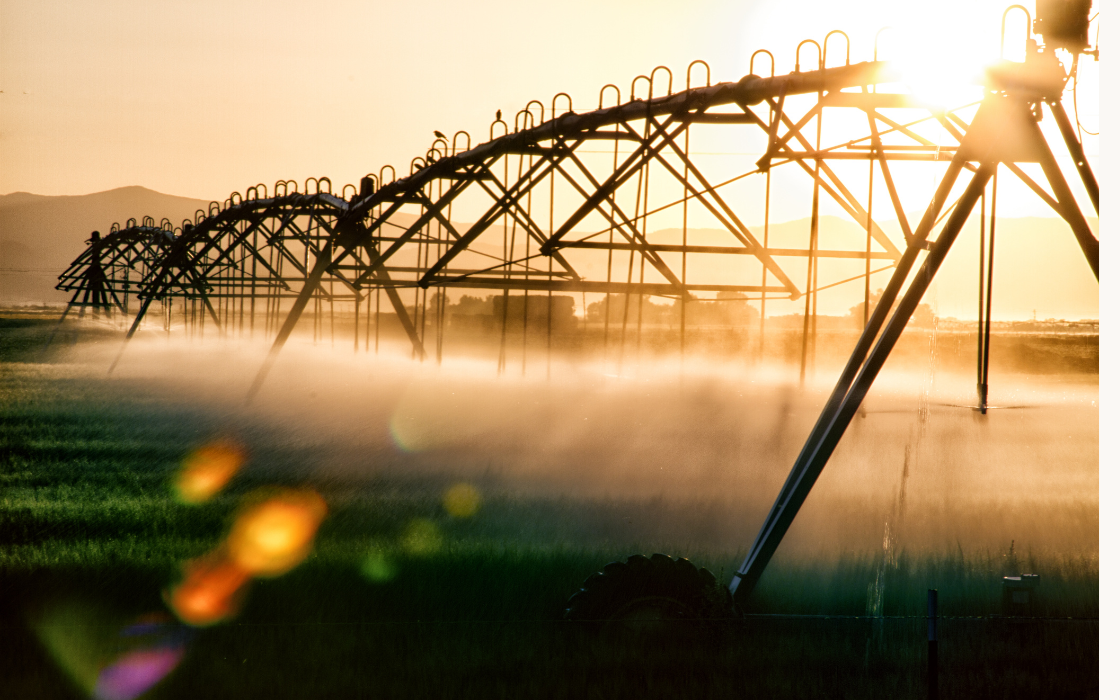
The agricultural sector is a major component of total value added in Zimbabwe, the largest employer, and the country’s second largest source of exports earnings. The sector contributes to the livelihood of over 60% of the country’s population, 23% of formal employment, 63% of raw materials required by the manufacturing sector, 30% of export earnings and 15% to Gross Domestic Product (GDP). The sector has strong backward and forwards linkages that enhance the production value chain. Since 2019, the country’s agricultural production has risen by a compounded annual growth rate of 94.8%, from about US$5 billion in 2019 to US$7.2 billion in 2023 as reported by the Ministry of Lands, Agriculture, Fisheries, Water and Rural Development. The sector growth has been driven by cotton, eggs, soyabean, maize, sugar and groundnuts. Starting in 2015, the Government of Zimbabwe started to place additional emphasis on the importance of agriculture, especially through its fiscal and quasi-fiscal activities under Command Agriculture. This commitment to agriculture is bolstered by the medium-term Transition and Stabilization Plan (TSP) and the Vision 2030 long-term development strategy, which aim to transform Zimbabwe into a middle-class economy.


INVEST IN ZIM
mining sector
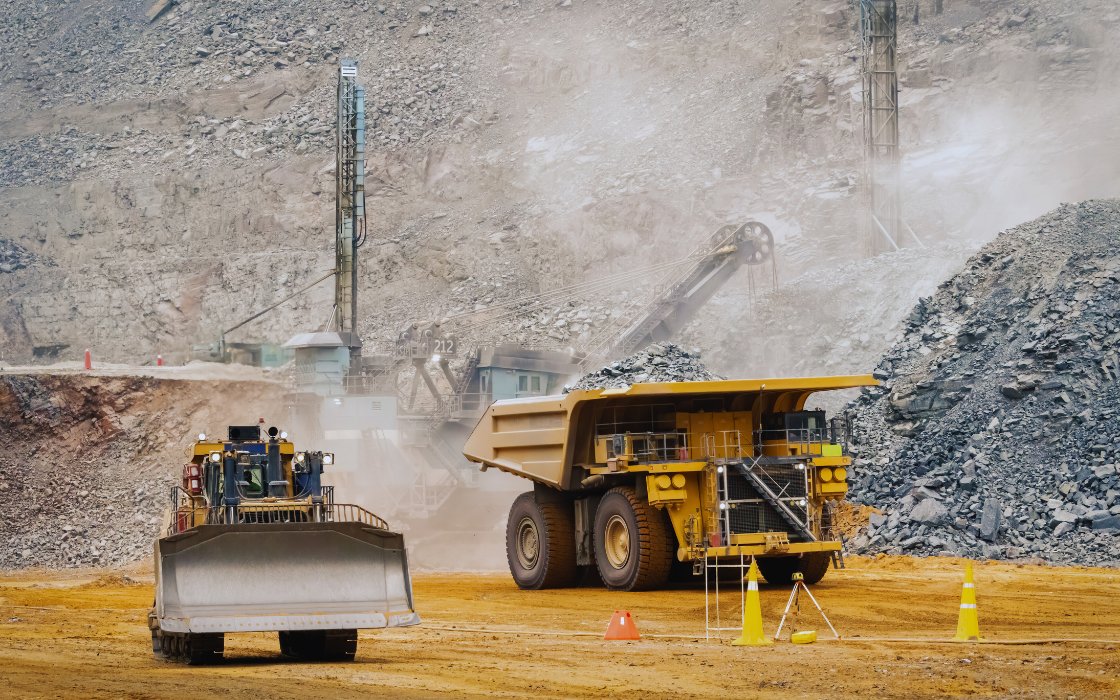
Zimbabwe’s mining sector is highly diversified, with close to 40 different minerals. The predominant minerals include platinum group metals (PGM), chrome, gold, coal, and diamonds. The country boasts the second-largest platinum deposit and high-grade chromium ores in the world, with approximately 2.8 billion tons of PGM and 10 billion tons of chromium ore. The sector accounts for about 12 percent of the country’s gross domestic product (GDP), and the minister of mines claims the sector has the potential to generate US$12 billion annually by 2023 if the government addresses challenges such as persistent power shortages, foreign currency shortages, and policy uncertainties. Low foreign currency retention requirements have challenged mineral exporters, particularly at times when the black-market exchange rate diverged greatly from the official rate leading to smuggling. The government’s expectations the sector would drive economic growth were dampened by COVID-19 in 2020, but there have been some initial signs of recovery in 2021 driven by improved international commodity prices. The government intends to amend the Mines and Minerals Act to make it more progressive and investor-friendly to attract more investment. According to the African Mining Market, Zimbabwe’s lithium deposits are the largest in Africa, and the country will become one of the world’s largest lithium exporters due to growing world demand for rechargeable batteries. The government claims the country will meet 20 percent of the world’s total demand for lithium when it fully exploits its known lithium resources, and four major lithium projects are currently under development. Exploration of possible oil and gas deposits in Muzarabani is scheduled to begin later this year. Compared to largely depressed mining activities in 2020 due to COVID-19 induced lockdowns, demand increased in 2021 for a wide range of commodities. Supply chain disruptions in South Africa and Russia helped increase global PGM prices in 2021. Zimbabwe’s Chamber of Mines 2021 state of mining report projected significant growth in the diamond, coal, and chrome subsectors, with PGM continuing to lead the sector. .